Pay in installments of $5.29 with
 ,
,
 and
and

Shipping Estimate
USA
- USA
- CAN
- USA
- CAN
Ships within 48 hours · Estimated delivery Jun 28 - Jul 3
 Promo Codes Available:
For Your Every Summer RSVP, with Code: SUMMER15
Description
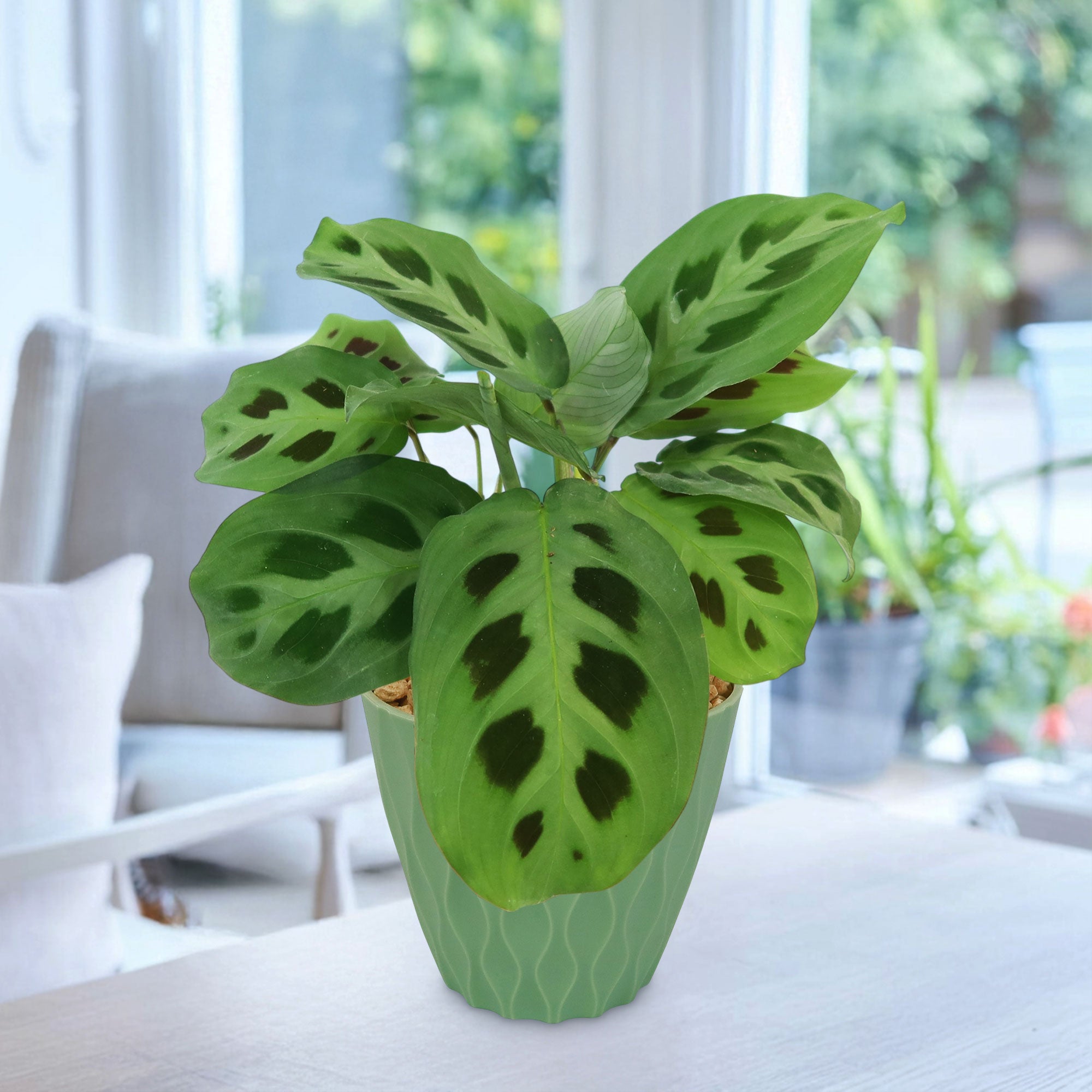
praying plant Prayer Plant ‘Maranta leuconeura’ 6" Pot / Light Green / With PotThe Prayer plant, known as Maranta leuconeura, is a popular choice among houseplant enthusiasts due to its stunning foliage and relatively easy care needs. Known for its uniquely patterned and colorful leaves, this plant adds a vibrant touch to indoor spaces, making it one of the most sought after houseplants. Those looking for a pet friendly plant will be pleased to know that prayer plants are non toxic to both pets and humans. The Prayer Plant is so
The Prayer plant, known as Maranta leuconeura, is a popular choice among houseplant enthusiasts due to its stunning foliage and relatively easy-care needs. Known for its uniquely patterned and colorful leaves, this plant adds a vibrant touch to indoor spaces, making it one of the most sought-after houseplants. Those looking for a pet-friendly plant will be pleased to know that prayer plants are non-toxic to both pets and humans.
The Prayer Plant is so named for its unique habit of folding its leaves upward in the evening, as if in prayer. This remarkable movement is a natural circadian rhythm known as “nyctinasty,” in which the leaves respond to light levels by opening flat during the day and curling up at night. In addition to being closely related to the red prayer plant, this intriguing behavior gives any indoor garden a dynamic and lively feel.
Native to South America, it is also called the “Rabbit Tracks” plant. The Green Maranta Prayer Plant is renowned for its unique patterned leaves, featuring light green backgrounds and dark green blotches along the central vein.
These distinctive spots create a visually appealing contrast and resemble animal tracks. This eye-catching foliage, combined with the plant's low-growing habit, makes it a perfect choice for table displays, shelves, or hanging baskets.
The Maranta leuconeura is a compact plant that typically reaches a mature size of 12 inches tall and 12 inches wide. In its natural environment, it grows as a ground cover, spreading low along the forest floor under the shade of taller trees.
The Prayer plant flowers bloom in the spring with small, delicate, white, or pale lavender flowers on thin stalks. While not as showy as the foliage, these flowers add a delicate charm to the plant’s overall appearance. However, many people grow the Maranta green prayer plant primarily for its decorative foliage, as the blooms are typically short-lived and less prominent.
When and How to Water Your Prayer Plant
Even though your prayer plant can withstand some dry conditions, it still requires regular watering to thrive. These prayer plants are not highly drought tolerant, so do not allow them to completely dry out. It is critical to keep the soil moist but not soggy. Water the plant once the top inch of soil feels dry to the touch. Make sure the pot has a drainage hole to avoid waterlogging, which can lead to root rot. Avoid getting water on the leaves to prevent fungal diseases.
According to one theory, the prayer plant movement is intended to maximize water capture. During the day, they lower their leaves to absorb moisture and rain water, while at night, they move inward to retain water and direct any water to the center of the plant.
In the spring and summer, during the growing season, you may need to water your prayer plant more frequently, possibly every 1-2 weeks, depending on the humidity levels in your home. In contrast, in the fall and winter, when the plant is in its dormant phase, you can reduce watering, allowing the soil to dry out slightly between waterings.
It's crucial to use room temperature water when watering your prayer plant, as cold water can shock the roots. Additionally, consider using distilled or filtered water to prevent the build-up of salts and chemicals from tap water, which can harm the plant over time. By following these watering guidelines and paying attention to your plant's moisture needs, you can help your Maranta leuconeura thrive and display its beautiful, patterned leaves.
Light Requirements – Where to Place Your Prayer Plant
When growing indoors the prayer plant prefers bright, indirect light for at least 4-6 hours daily. Place your prayer plant near a window where it can receive filtered bright light or in a room with ample ambient light. Direct sunlight can scorch the leaves, so it's best to avoid placing them in harsh, direct light.
Additionally, they can tolerate low light conditions, though not extremely low ones. If your indoor space lacks natural light, you can supplement this houseplant with artificial grow lights to provide the necessary light intensity for your plant.
When considering outdoor conditions for your prayer plant, it's essential to replicate its preferred indoor environment.
If you choose to move your Maranta leuconeura outdoors, ensure it is placed in a shaded or partially shaded area. Direct sun light can be too intense for the prayer plant's delicate leaves and may lead to leaf burn.
By providing a sheltered spot with dappled sunlight or indirect light, you can create a suitable outdoor environment for your prayer plant to thrive. Remember to monitor the plant's response to its new outdoor location and adjust as needed to maintain optimal light conditions for healthy growth.
Optimal Soil & Fertilizer Needs
The prayer plant thrives in well-draining, peat-based potting acidic soil that retains moisture without becoming waterlogged. A mix that includes peat moss, perlite, or sand can help maintain the ideal balance of moisture and aeration for your plant's roots. Instead, make or buy a well-draining potting mix, or ideally, use our specialized potting mix, opens in a new tab that contains 5 natural substrates and mycorrhizae to promote the development of a strong root system that helps your houseplant to thrive. Ensure the pot has drainage holes to prevent water from pooling at the bottom, which can lead to root rot.
In terms of fertilizing your prayers plant, it's best to use a balanced, water-soluble NPK fertilizer with a ratio of 5-10-5. During the growing season in spring, you can fertilize your Maranta leuconeura once a year to provide essential nutrients for healthy growth. However, reduce fertilization frequency or stop altogether during the plant's dormant period in fall and winter. Over-fertilizing can cause salt build-up in the soil, leading to nutrient imbalances and potential damage to the plant.
Hardiness Zones & More
For indoor growing prayer plants, they prefer average room temperatures ranging from 65-75°F. It's essential to avoid exposing the plant to temperature extremes or drafts, as they can stress the plant and affect its growth. Maintaining a consistent temperature within this range will help your plant flourish indoors.
For outdoor cultivation, the prayer plant is typically suited for USDA zones 11-12, where temperatures remain consistently warm throughout the year. If you live in a region within these zones, you can consider growing your Maranta leuconeura outdoors in a shaded or partially shaded area. Ensure the plant is protected from direct sunlight to prevent leaf burn and maintain optimal growth conditions. By selecting a suitable spot in your garden or patio that mimics the plant's preferred indoor environment, you can provide a conducive outdoor setting for your prayer plant.
When it comes to humidity requirements, the prayer plant thrives in moderate to high humidity levels. Indoor environments can often be dry, especially during the winter months when heating systems are in use. To increase humidity around your Maranta leuconeura, you can place a humidifier nearby, use a pebble tray filled with water, or group plants together to create a microclimate with higher humidity. Regularly misting the plant's leaves can also help increase humidity levels and prevent them from drying out.
Wildlife – Prayer Plant Attracts the Following Friendly Pollinators
The prayer plant, Maranta leuconeura, attracts pollinators and insects through its unique and vibrant flowers. The plant produces small, white flowers with delicate purple spots that are visually appealing to pollinators like bees, hummingbirds, and butterflies. These insects are drawn to the flowers' nectar and play a crucial role in pollinating the plant, facilitating the production of seeds for future growth. Additionally, the plant's foliage, with its striking patterns and colors, can also attract other beneficial insects like ladybugs and lacewings, which help control pest populations in the surrounding environment.
Toxicity: According to the ASPCA, Maranta leuconeura is non-toxic to cats and dogs, and humans. This makes it a pet-friendly option for homes with pets, as it doesn’t pose a risk of toxicity if accidentally ingested by cats, dogs, or other pets. This feature, along with its beautiful foliage, makes the Prayer Plant a popular choice for pet owners who want to add greenery to their homes without worrying about harmful effects on their animals.
How to Propagate a Prayer Plant
To propagate the prayer plant, you can use division or stem cuttings. Division involves separating the plant at the roots into smaller sections, each with a healthy root system and growth points. When taking stem cuttings, select a healthy stem with several leaves and nodes, then place it in water or a moist potting mix to encourage root development. Ensure the cuttings have adequate humidity and warmth to support root growth. With proper care and attention, you can successfully propagate your prayer plant to expand your collection or share it with fellow plant enthusiasts.
Key Takeaways
- The prayer plant, known for its striking foliage and unique leaf movements, is a popular indoor plant due to its vibrant colors and slow growth rate.
- According to the ASPCA, it is safe for homes with cats and dogs, as it is non-toxic.
- Its leaves fold up at night as if in prayer, a fascinating response to light levels.
- Though it does not prefer prolonged drought-tolerance, it can withstand short dry periods and prefers consistently moist, well-draining soil.
- It produces small, delicate white or lavender flowers, though it rarely blooms indoors.
The Bottom Line
Overall, the prayer plant (Maranta leuconeura) is a captivating houseplant known for its stunning foliage with intricate patterns that fold up at night, resembling praying hands, hence its name. This plant not only adds a touch of elegance to indoor spaces but also attracts pollinators with its charming flowers. To care for your prayer plant, ensure it receives indirect light, consistent moisture, and high humidity levels. Avoid direct sunlight and overwatering to prevent root rot. Regularly misting these indoor plants and occasionally wiping their leaves with a damp cloth can help maintain their lush appearance. By providing the right conditions and attention, you can enjoy the beauty of the prayer plant while creating a healthy environment for it to thrive in your home. Order your very own prayer plant for sale today!
Shipping Notes
- Free Standard Shipping on $100+ Orders to the USA.
- Except Preorder products are shipped in 48 hours.
- Delivery to the USA:
- Standard Shipping : 3-10 business days
- If time is of the essence, please consider selecting expedited delivery for faster service.
Exchange/Return Notes
- We offer a 30-day return/exchange service after receiving.
- Final sale items are not eligible for returns or exchanges.
- To process your return/exchange, please contact us at [email protected]
- Please click here for more details>>> Return & Exchange Policy