 ,
,
 and
and

 Promo Codes Available:
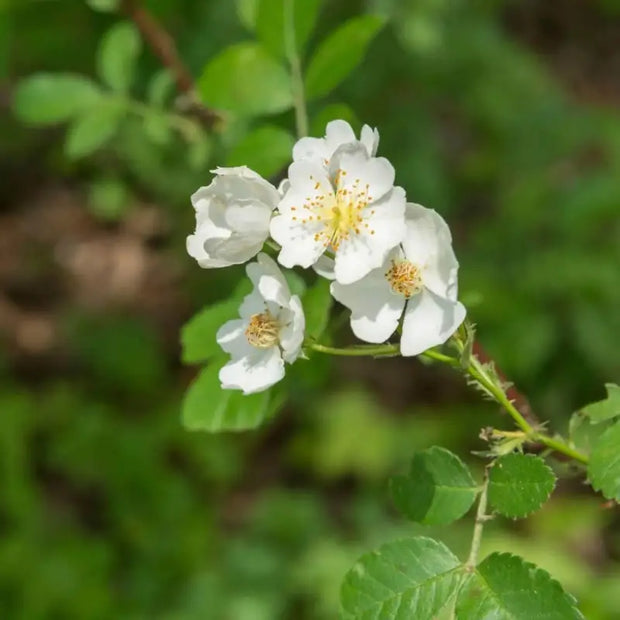
Multiflora rose seeds produce a vigorous climbing species with clusters of small, fragrant white flowers—ideal for wildlife hedges and erosion control. This 2-pack includes 30 seeds per packet for establishing robust plantings. Check local regulations before planting, as Rosa multiflora is considered invasive in many US states.
Rosa multiflora earned its place in old gardens for good reason—those cascading sprays of tiny white flowers fill the air with sweetness every spring, and the rose hips that follow keep birds fed through winter. This 2-pack of 30 seeds per packet gives you the material for a dense, wildlife-friendly hedge. Just know what you're getting into: this species grows fast, spreads freely, and requires management. Plant responsibly.
Key Benefits
- 2 packs × 30 seeds each for hedge or wildlife plantings
- Abundant clusters of small, fragrant white flowers
- Rose hips feed birds through winter
- Extremely hardy; tolerates poor soil and shade
- Vigorous grower reaching 10–15 feet
- Check local regulations—invasive in many states
How to Grow
- Cold stratify seeds 90–120 days in moist sand (refrigerator)
- Sow 1/4 inch deep in well-draining seed mix
- Keep moist at 65–70°F (18–21°C); germination is irregular
- Transplant seedlings when 4–6 inches tall
- Plant in permanent location with support structure
Specifications
Quantity: 2 packs × 30 seeds. Variety: Multiflora Rose (Rosa multiflora). Mature height: 10–15 ft. Spread: 10–15 ft. Bloom time: Late spring. Hardiness: Zones 5–8. Sun: Full sun to part shade.
What's Included
- 2 seed packets (30 seeds each)
- Stratification guide included
Care & Storage
Store seeds refrigerated in original packaging. Cold stratification required for germination. Once established, prune annually to control spread. May require containment measures in some areas.
Key Terms
- Rosa multiflora — Japanese Rose; vigorous species rose with clusters of small flowers
- Cold stratification — Chilling seeds to break dormancy and trigger germination
- Rose hips — The fruit of roses; valuable wildlife food source
Important Notice
- Residents of states where R. multiflora is prohibited
- Gardeners near natural areas without containment plans
- Those unable to commit to annual pruning/management
A hedge of multiflora roses in spring—that wave of fragrance carries memories of old-fashioned gardens and simpler times.