Pay in installments of $7.31 with
 ,
,
 and
and

Shipping Estimate
USA
- USA
- CAN
- USA
- CAN
Ships within 48 hours · Estimated delivery Jun 28 - Jul 3
 Promo Codes Available:
For Your Every Summer RSVP, with Code: SUMMER15
Description
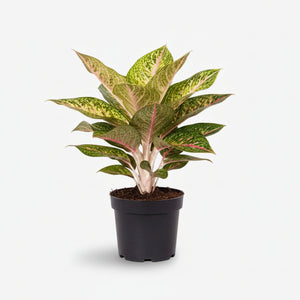
aglaonema rosa cura Aglaonema Spring Red — Pianta cinese colorataFogliame rosa e verde brillante Luce indiretta media Annaffiatura moderata H60 cm Vaso 19 cm Purificante Tossica per animali L'Aglaonema 'Spring Red', chiamata anche Pianta cinese, una pianta tropicale originaria delle foreste del Sud Est asiatico. Il suo fogliame ampio e lucido combina tonalit rosa vivace, rosso e verde profondo in motivi contrastanti una delle poche piante da interno che porta colore senza fiori, e in modo permanente. Robusta e
🌸 Fogliame rosa e verde brillante • 🌤️ Luce indiretta media • 💧 Annaffiatura moderata • 📏 H60 cm | Vaso Ø19 cm • 🌬️ Purificante • ⚠️ Tossica per animali
L'Aglaonema 'Spring Red', chiamata anche Pianta cinese, è una pianta tropicale originaria delle foreste del Sud-Est asiatico. Il suo fogliame ampio e lucido combina tonalità rosa vivace, rosso e verde profondo in motivi contrastanti — una delle poche piante da interno che porta colore senza fiori, e in modo permanente.
Robusta e facile, tollera le dimenticanze nell'annaffiatura e si adatta a diverse luminosità — ma mantiene le sue tonalità rosa più intense con una buona luce indiretta. Contribuisce anche a purificare l'aria ambiente. Da notare: tossica se ingerita dagli animali.
Quale varietà di Aglaonema scegliere?
Gli Aglaonema si distinguono principalmente per il colore del loro fogliame. Ecco i profili più distintivi della nostra collezione:
- Aglaonema 'Spring Red' (questa pianta) — fogliame rosa, rosso e verde brillante, motivi colorati permanenti. L'unica varietà dai toni caldi della collezione.
- Aglaonema 'Jungle Silver' — ampie zone argentate molto contrastate su fondo verde scuro. La più grafica in condizioni di scarsa luminosità.
- Aglaonema Silver Bay — ampia fascia centrale argentata, portamento elegante. La più classica e accessibile.
- Aglaonema Silver Queen — fogliame quasi interamente argentato. La più luminosa.
- Aglaonema B.J. Freedman — grande dimensione 70 cm, fogliame verde scuro imponente. La più voluminosa.
Il Spring Red è l'unica varietà del nostro catalogo con fogliame dai toni caldi — se cerchi una pianta che porti calore e colore senza fiori, è questa. Scopri tutte le varietà nella nostra collezione completa.
Esposizione & posizione
L'Aglaonema 'Spring Red' necessita di un po' più luce rispetto alle varietà argentate per mantenere l'intensità delle sue tonalità rosa — questa è la sua principale esigenza rispetto agli altri Aglaonema.
- Esposizione ideale: luce indiretta da media a intensa — vicino a una finestra orientata a est o ovest con tenda leggera.
- Tollera: mezz'ombra — ma le nuove foglie saranno più verdi e meno rosa.
- Da evitare: sole diretto che brucia le foglie e smorza i toni rosa.
- Temperatura: 18–24 °C — sensibile al freddo. Sotto i 15 °C la crescita si ferma.
- Substrato: terriccio universale leggero con un po' di perlite.
Se le nuove foglie escono più verdi e meno rosa, avvicina la pianta a una finestra. Il colore ritorna sulle nuove foglie non appena la luce è sufficiente.
Annaffiatura & manutenzione
- Annaffiatura: moderata — lascia asciugare i primi 2–3 centimetri di substrato tra un'annaffiatura e l'altra.
- Frequenza: circa una volta a settimana in estate, ogni 10–14 giorni in inverno.
- Acqua: acqua a temperatura ambiente, filtrata o lasciata riposare 24 h — il calcare provoca punte marroni.
- Umidità: gradisce il 40–60% di umidità — nebulizza occasionalmente in ambienti molto secchi.
- Concime: concime liquido per piante verdi diluito a metà, una volta al mese in primavera-estate.
- Pulizia: pulisci le foglie con un panno umido per preservarne la lucentezza e favorire la fotosintesi.
L'Aglaonema perdona ampiamente le dimenticanze nell'annaffiatura — in caso di dubbio, aspetta piuttosto che annaffiare troppo. L'eccesso d'acqua è la sua principale causa di deperimento.
Idee per decorazioni & abbinamenti vegetali
Il Spring Red è l'Aglaonema che porta calore — le sue tonalità rosa e rosse riscaldano immediatamente un ambiente senza bisogno di fiori.
- Come accento colorato: posizionato su una mensola o un mobile in un interno neutro, crea un punto focale caldo e vivace senza appesantire lo spazio.
- In composizione: abbinalo a un Jungle Silver o a un Zamioculcas per un contrasto di fogliame caldo/freddo molto efficace.
- Vaso ideale: ceramica opaca bianca, beige o terracotta — le tonalità calde e neutre esaltano i rosa senza competere con essi.
Raggruppate diverse varietà di Aglaonema con variegature differenti per un aiuola tropicale interna coerente — stesse esigenze, palette visiva varia.
Consigli Verdeia
- La luce controlla il colore — questo è il punto chiave dello Spring Red. Senza sufficiente luce indiretta, le nuove foglie perdono i toni rosa e diventano più verdi. Spostala verso più luce e il colore tornerà sulle nuove foglie.
- Foglie gialle: eccesso d'acqua — svuota sempre il sottovaso dopo l'annaffiatura e lascia asciugare di più il substrato. In vaso, l'ingiallimento è quasi sempre dovuto a umidità stagnante.
- Punte marroni: calcare o aria troppo secca — usa acqua filtrata o lasciata riposare 24 h, e nebulizza il fogliame in ambienti molto secchi.
- Proteggila dal freddo — sotto i 15 °C la crescita si ferma e compaiono macchie. Tienila lontana da finestre poco isolate in inverno.
- Rinvasare in primavera senza fretta — l'Aglaonema preferisce stare leggermente stretto. Rinvasare solo quando le radici sporgono sotto il vaso, ogni 2–3 anni.
- ⚠️ Tossico per animali e umani — contiene ossalati di calcio irritanti. Tenere fuori dalla portata di gatti, cani e bambini piccoli. Consulta la nostra guida piante e animali per alternative adatte.
Caratteristiche tecniche
- Nome botanico : Aglaonema 'Spring Red'
- Nomi comuni : Pianta cinese, Chinese Evergreen
- Famiglia : Araceae
- Origine : foreste tropicali del Sud-Est asiatico
- Diametro del vaso : 19 cm
- Altezza approssimativa : 60 cm
- Dimensione adulta : fino a 60–70 cm in interno
- Esposizione : luce indiretta da media a intensa — i toni rosa svaniscono in condizioni di scarsa luminosità
- Annaffiatura : moderata — lasciare asciugare i primi centimetri tra un'annaffiatura e l'altra
- Temperatura : 18–24 °C, minimo 15 °C
- Manutenzione : facile
- Tossicità per gli animali : tossica se ingerita (ossalati di calcio)
- Stile decorativo : Tropicale / Colorato / Contemporaneo
- Particolarità : fogliame rosa e rosso permanente senza fiori, depurativa, colore intensificato dalla luce
Ogni pianta è unica: le foto mostrano un esempio rappresentativo. L'intensità delle tonalità rosa e la densità del fogliame variano naturalmente in base alla luminosità e alla stagione.
Shipping Notes
- Free Standard Shipping on $100+ Orders to the USA.
- Except Preorder products are shipped in 48 hours.
- Delivery to the USA:
- Standard Shipping : 3-10 business days
- If time is of the essence, please consider selecting expedited delivery for faster service.
Exchange/Return Notes
- We offer a 30-day return/exchange service after receiving.
- Final sale items are not eligible for returns or exchanges.
- To process your return/exchange, please contact us at [email protected]
- Please click here for more details>>> Return & Exchange Policy