Pay in installments of $5.88 with
 ,
,
 and
and

Shipping Estimate
USA
- USA
- CAN
- USA
- CAN
Ships within 48 hours · Estimated delivery Jun 28 - Jul 3
 Promo Codes Available:
For Your Every Summer RSVP, with Code: SUMMER15
Description
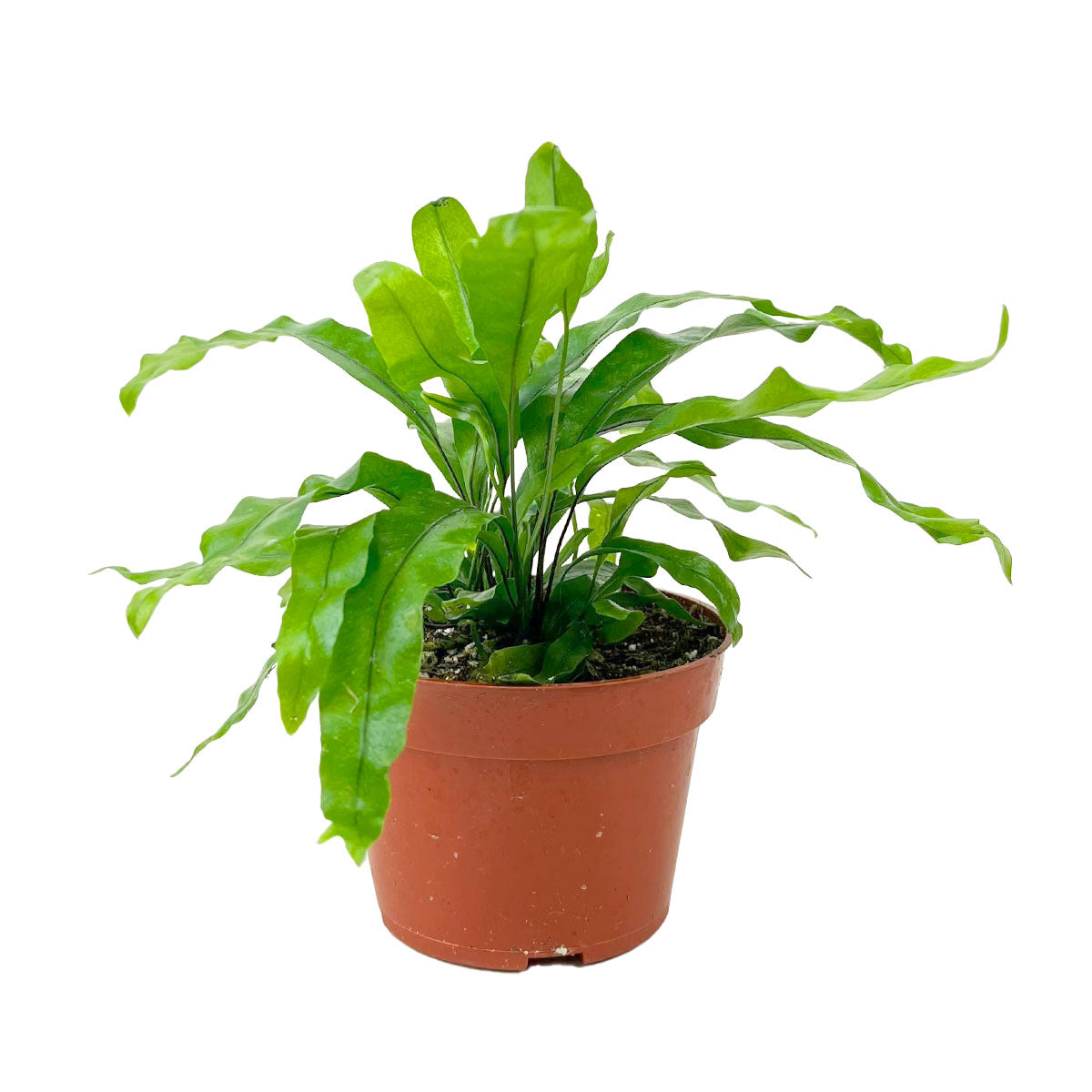
blue star fern vs kangaroo paw fern Kangaroo Paw FernDescription Light Soil Water Hardiness Microsorum diversifolium, commonly known as Kangaroo Paw Fern, belongs to the Polypodiaceae fern family and is native to Australia and New Zealand. This compact, epiphytic fern is known for its leathery, irregularly lobed fronds that resemble the shape of a kangaroos paw. It grows from creeping rhizomes, forming a wide, arching shape that adds lush greenery to any indoor space. Unlike the delicate, feathery
-
Microsorum diversifolium, commonly known as Kangaroo Paw Fern, belongs to the Polypodiaceae fern family and is native to Australia and New Zealand. This compact, epiphytic fern is known for its leathery, irregularly lobed fronds that resemble the shape of a kangaroo’s paw. It grows from creeping rhizomes, forming a wide, arching shape that adds lush greenery to any indoor space.
Unlike the delicate, feathery foliage of many traditional ferns, Kangaroo Paw Fern features thick, slightly waxy frondswith a deep green, glossy finish—often showing a faint bronze or bluish tint under certain lighting. The fronds have a sculptural, deeply lobed and asymmetrical shape, setting them apart visually from softer-textured ferns like Boston or Maidenhair. This bolder texture also makes the plant more tolerant of drier air and less frequent watering than its more sensitive relatives.
Kangaroo Paw Fern typically grows up to 1 foot tall and spreads 2 to 4 wide. Its flowing, cascading growth habit makes it especially attractive in hanging baskets, on shelf edges, or in decorative pots where its fronds can drape freely.
This plant tolerates moderate to low indirect light, making it suitable for most indoor environments, including spaces with limited natural light. Its versatility and ease of care make it a solid choice for homes, offices, and bathrooms. Though not on NASA’s list of scientifically confirmed air purifiers, like many ferns, it contributes to a healthier indoor climate by supporting humidity levels. This species is also non-toxic to pets and humans, making it a safe and stylish addition to any household with children or animals.
-
Thrives in bright, indirect light but tolerates partial shade and lower-light conditions. Avoid direct sun exposure, which may scorch the leaves.
Keep the soil consistently moist but not soggy. Water when the top inch of soil feels dry. In winter, reduce watering slightly while maintaining humidity.
Grows best in a loose, well-draining, organic-rich potting mix. A blend of peat moss and perlite is ideal. Feed monthly during spring and summer with a diluted, balanced houseplant fertilizer.
Prefers temperatures between 65–75°F and moderate to high humidity. Ideal for bathrooms or kitchens. In drier rooms, occasional misting or a humidity tray is recommended.
Non-toxic to cats, dogs, and humans.
-
USDA Zone 9-11
USDA Zone 9b: to -3.8 °C (25 °F)
USDA Zone 10a: to -1.1 °C (30 °F)
USDA Zone 10b: to 1.7 °C (35 °F)
USDA Zone 11: above 4.5 °C (40 °F)
Shipping Notes
- Free Standard Shipping on $100+ Orders to the USA.
- Except Preorder products are shipped in 48 hours.
- Delivery to the USA:
- Standard Shipping : 3-10 business days
- If time is of the essence, please consider selecting expedited delivery for faster service.
Exchange/Return Notes
- We offer a 30-day return/exchange service after receiving.
- Final sale items are not eligible for returns or exchanges.
- To process your return/exchange, please contact us at [email protected]
- Please click here for more details>>> Return & Exchange Policy